AirChestra
A visionOS immersive experience with floating musical planets you can conduct.

- Year
- 2025
- Role
- Spatial Computing
- Stack
- visionOSRealityKitARKitSwiftUI
Concepts I've been exposed to
01
Spatial Computing
02
Team management
03
Cognitive design
What is AirChestra?
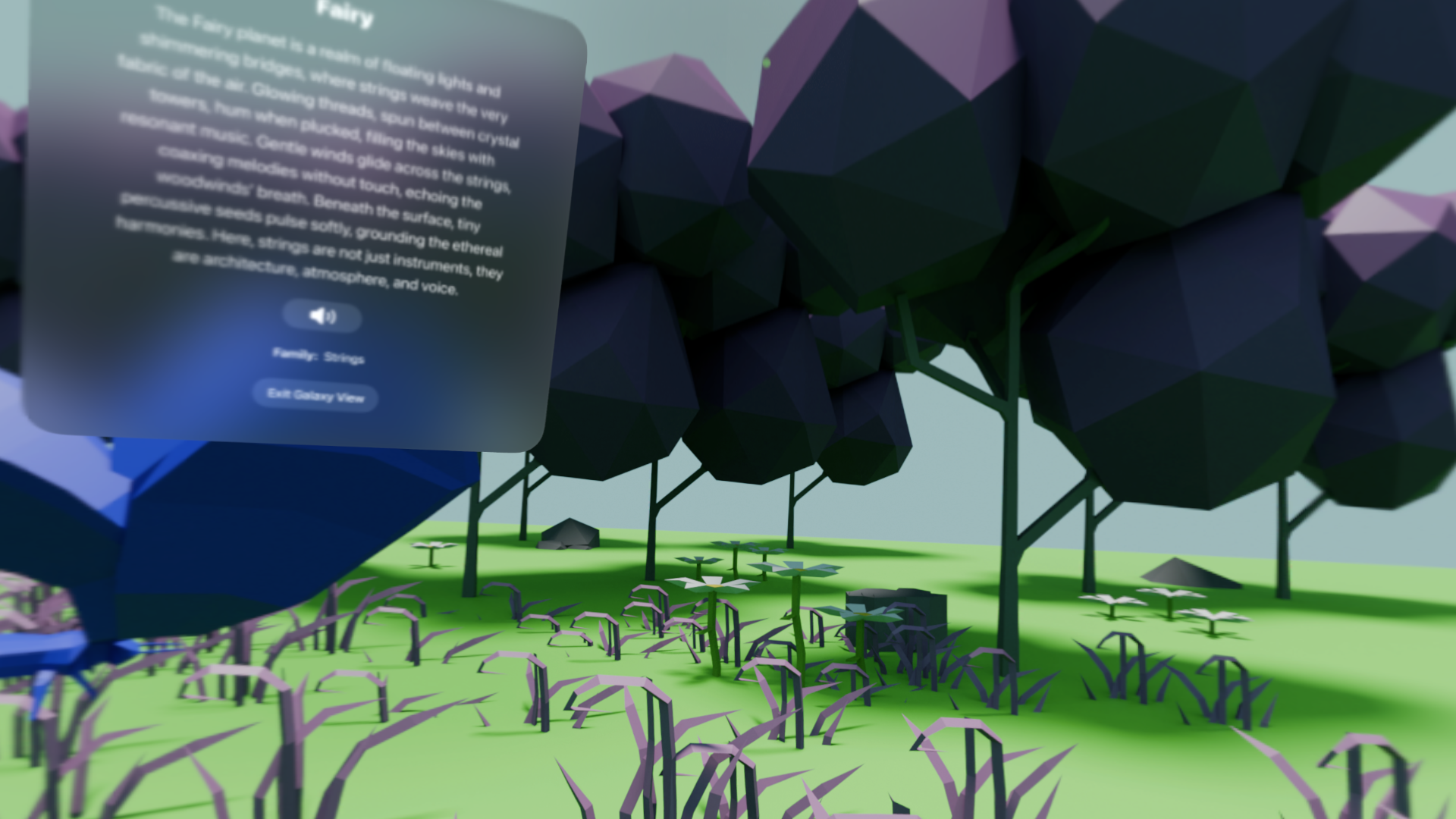
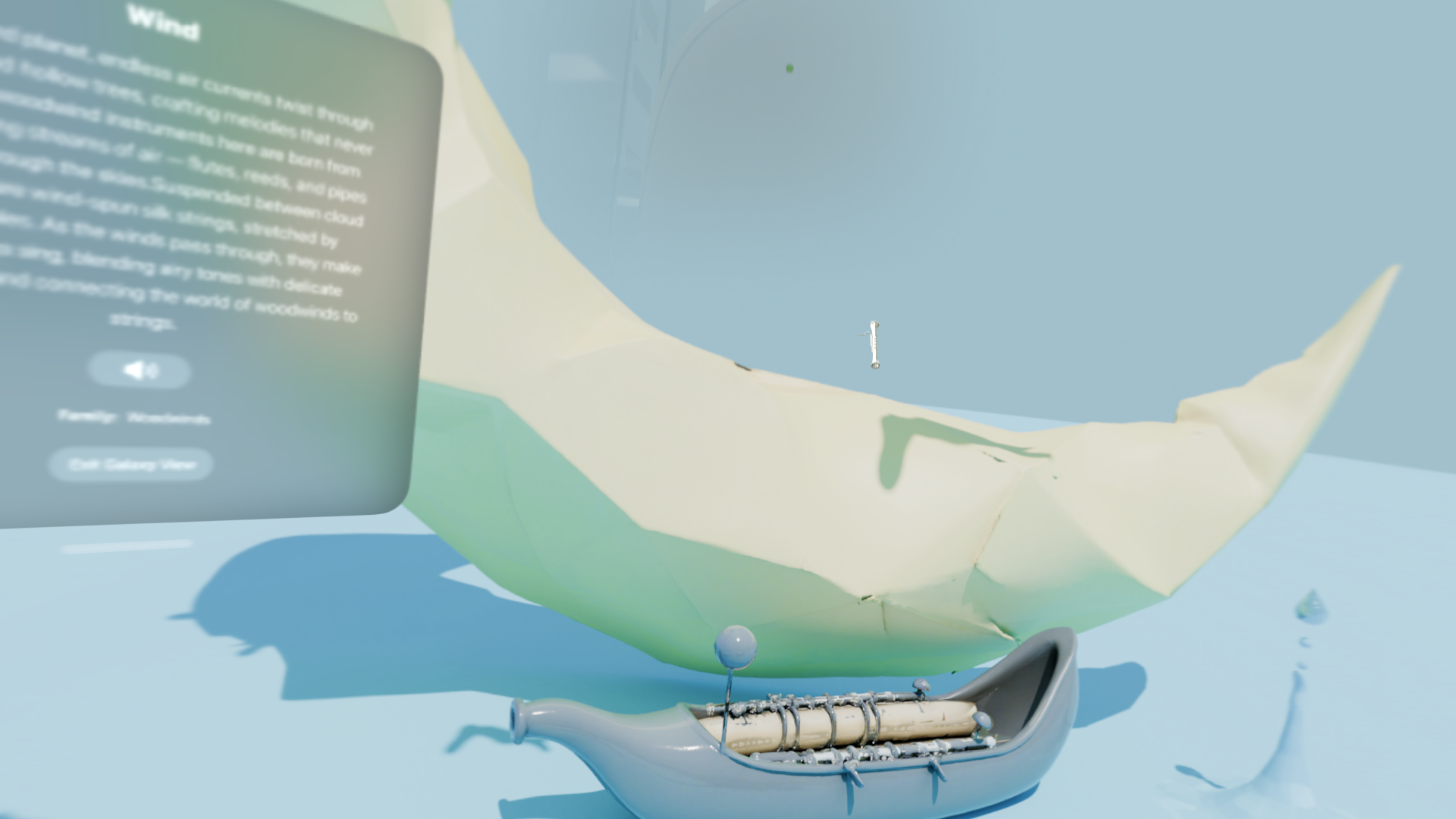
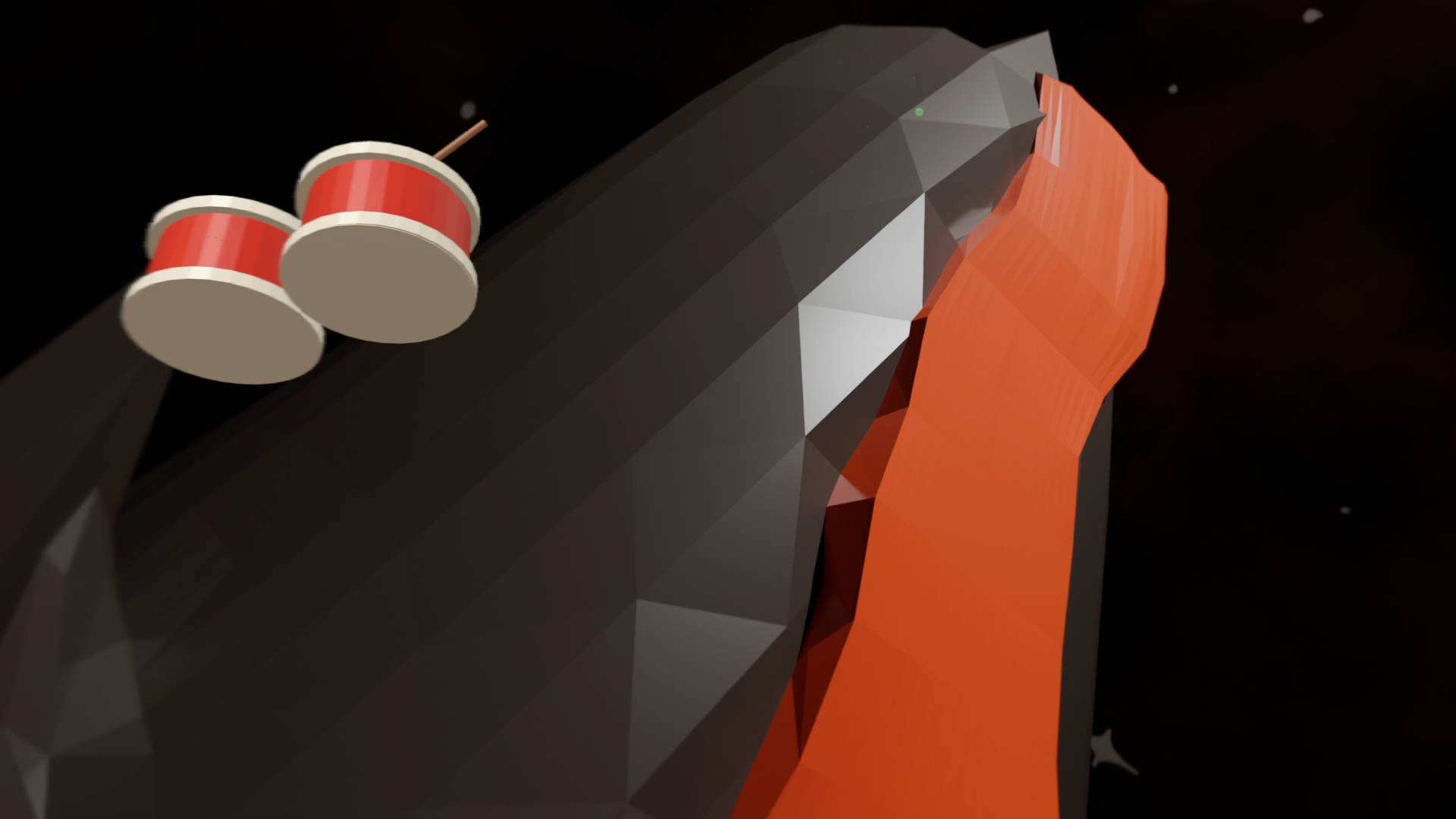
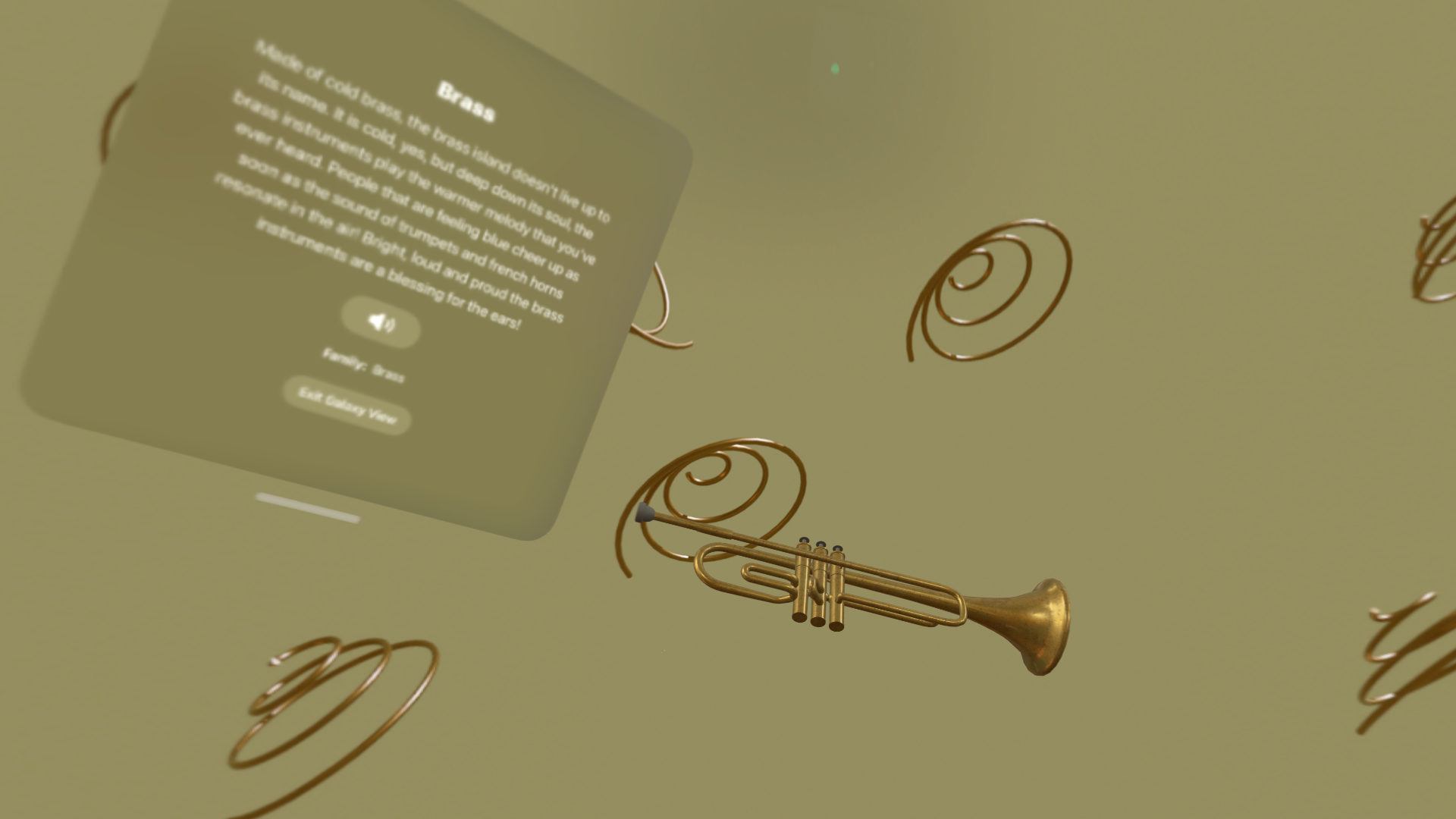
Airchestra is the first demo project carried out from my first experience with Spatial Computing. The app is a simple experience with some storytelling about a person that falls asleep and starts dreaming about floating planets that are the planets of different musical instruments: the planet of the strings (violin, cello, viola), the woodwinds planet (clarinet, flute), the percussion planet (timpani), and the brass planet (trumpet). The planets can be moved around in an immersive space. Every planet has its own melody and all together they play a song. The listener can also enter in the immersive view of each planet and find itself in the world of that specific planet.
What did I learn from this experience?
As I already said, this was my first experience with Spatial Computing. Until now, I did know nothing about how to code for visionOS and this experience gave me the possibility to understand how frameworks such as RealityKit and ARKit do assume a totally different meaning in an immersive space.
On top of that, we made our first steps in the concept of spatially design and think an experience. Normally, all of my previous projects have been designed for a flat screen, but with Spatial Computing and Extended Reality everything is different. The simple addiction of the Z axis changes everything because now we're interacting in a more critical way with the senses of the user.
The experience has to account for more caution about the cognitive load of the user and its perception of objects in space. We have to build the interface considering that the assets of an XR experience have to actually interact with the surrounding environment of the user, other than interacting with the cognitive system of the user itself.
Attitude in the project
This project has been very important for me because not only I've encountered for the first time the spatial computing design and cognitive thinking, but also because I was in charge of managing the working team composed by 10 people. It has been a challenge to manage the work and facilitate the communication between the different "departments" of designers and coders with the aim of carrying out the most valuable learning experience for us.